Food plays an important role in a child’s growth and development. However, some children may experience unwanted reactions after eating certain foods. These reactions may be caused by food allergies or food intolerances. While both conditions can affect a child’s digestive health, they are different and require proper identification and management.
Understanding the symptoms, possible triggers and appropriate treatment can help parents protect their child’s health and maintain a balanced diet.
What Are Food Allergies in Children?
A food allergy occurs when a child’s immune system mistakenly identifies a particular food protein as harmful and reacts against it. Even a small amount of the triggering food can cause an allergic reaction in some children.
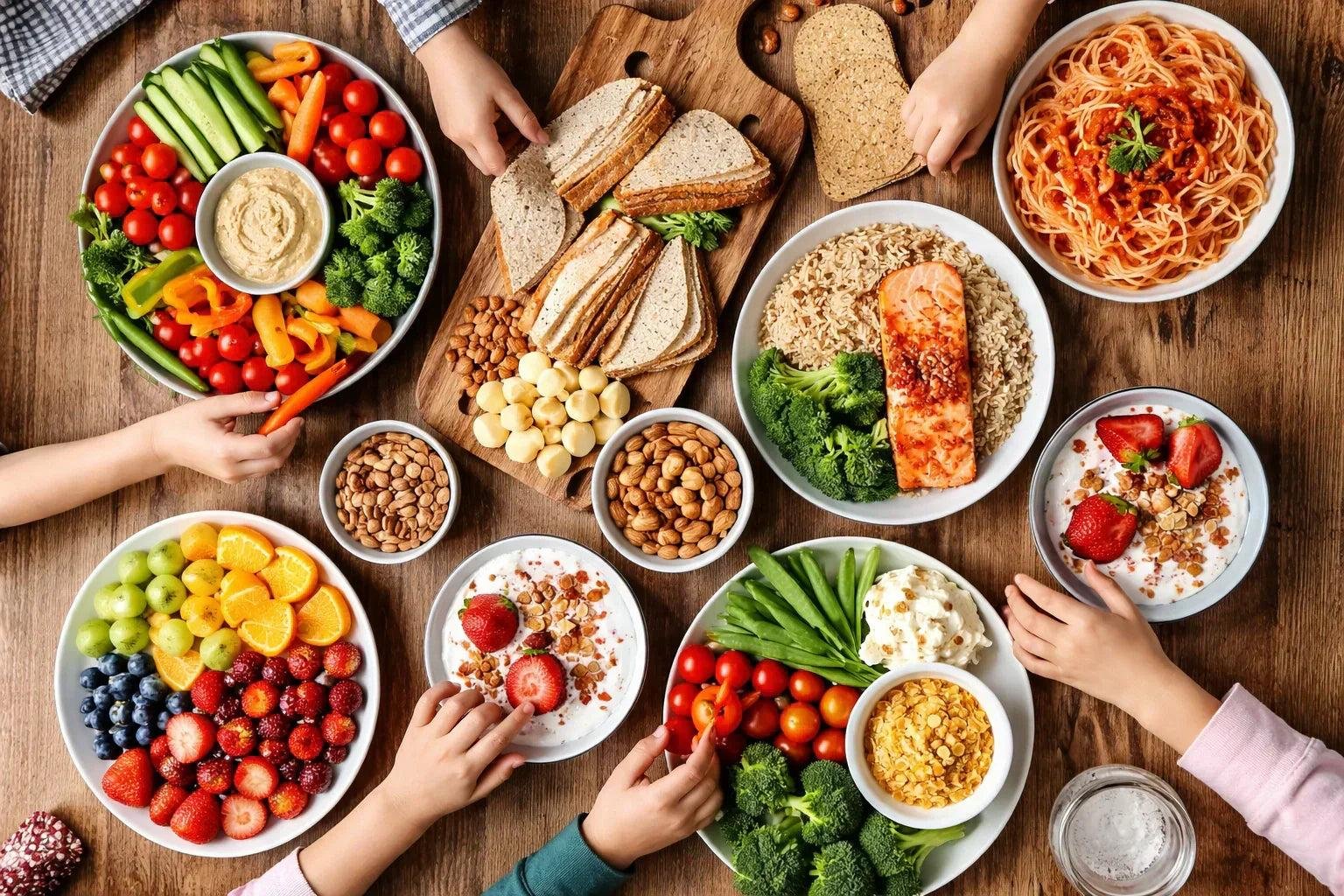
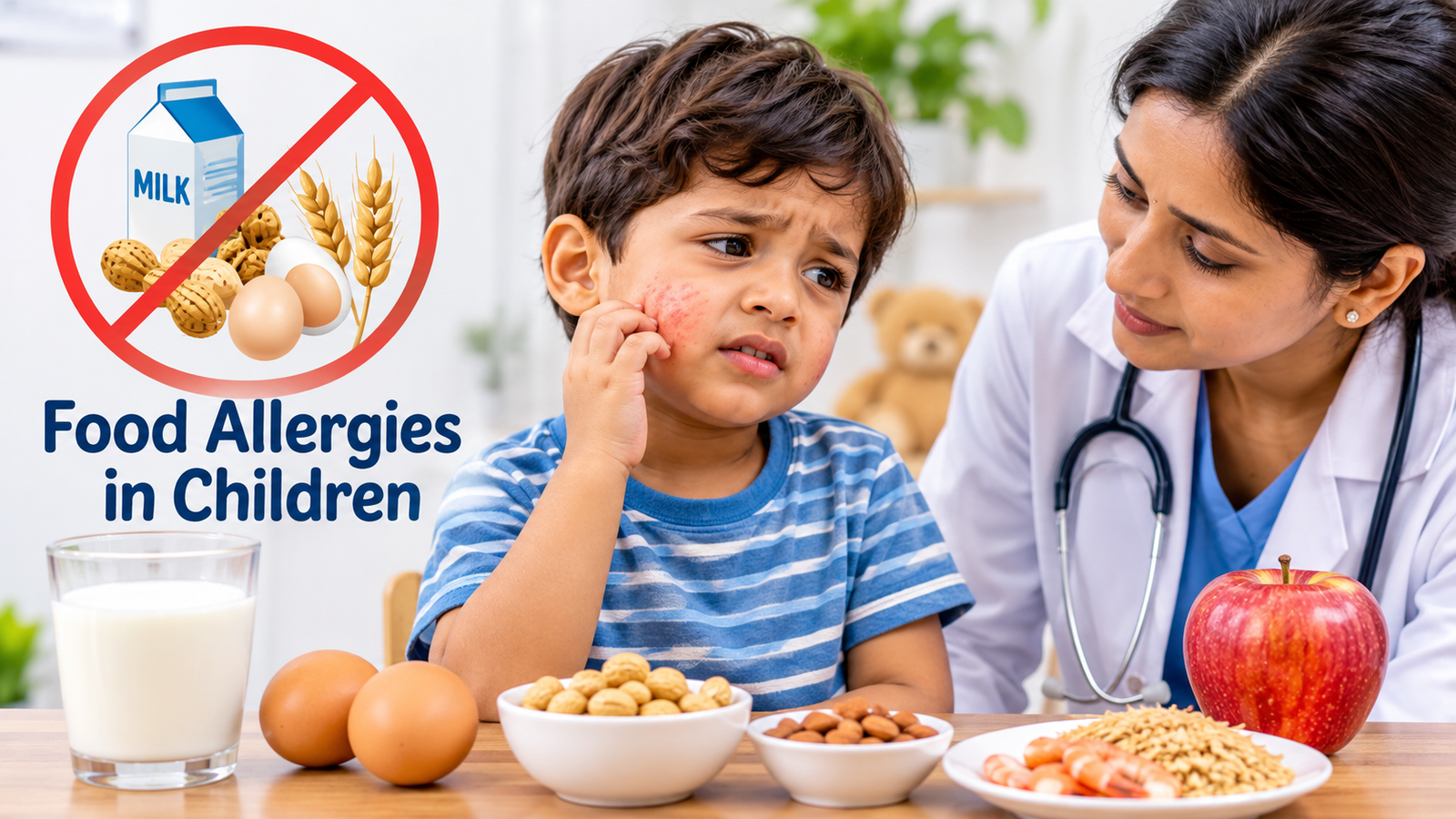
Common food allergens include cow’s milk, eggs, peanuts, tree nuts, wheat, soy, fish and shellfish. Reactions may vary from mild symptoms to severe allergic responses that require immediate medical attention.
Common Symptoms of Food Allergies
Food allergy symptoms can appear within minutes or a few hours after eating the triggering food. They may affect the skin, digestive system, respiratory system or other parts of the body.
Common symptoms include skin rashes, itching, hives, swelling of the lips or face, vomiting, stomach pain and diarrhoea. Some children may also experience coughing, wheezing or difficulty breathing.
A severe allergic reaction, known as anaphylaxis, can cause breathing difficulties, throat swelling, dizziness or a sudden drop in blood pressure. This is a medical emergency and requires immediate emergency care.
What Is the Difference Between Food Allergy and Food Intolerance?
Food allergy and food intolerance are not the same condition. A food allergy involves the immune system, whereas food intolerance generally occurs when the digestive system has difficulty processing a particular food or ingredient.
For example, lactose intolerance occurs when the body does not produce enough lactase, the enzyme needed to digest lactose in milk. It may cause bloating, gas, abdominal discomfort and diarrhoea after consuming dairy products.
Unlike food allergies, food intolerances do not usually cause immune-related symptoms such as hives, facial swelling or anaphylaxis. Identifying the difference is important because the management approach varies.
What Causes Food Allergies in Children?
Food allergies develop due to a combination of genetic and environmental factors. Children with a family history of allergies, asthma or eczema may have a higher likelihood of developing allergic conditions.
Food allergies can develop during infancy or childhood. Some children outgrow certain allergies, particularly milk and egg allergies, while others may continue to experience them later in life. Regular medical assessment can help monitor changes over time.
How Are Food Allergies Diagnosed?
A proper diagnosis begins with a detailed medical history, including the foods consumed, the symptoms experienced and how quickly the reaction occurs.
Depending on the child’s symptoms, a doctor may recommend skin prick testing or specific IgE blood tests. In selected cases, a medically supervised oral food challenge may be required to confirm an allergy.
Parents should avoid independently removing multiple food groups from a child’s diet without medical guidance, as unnecessary restrictions may affect nutrition and growth.
Treatment and Management of Food Allergies
The main approach to managing a confirmed food allergy is avoiding the specific food responsible for the reaction. Parents should carefully read food labels, check ingredients when eating outside and inform schools or caregivers about the child’s allergy.
If a child has a history of severe allergic reactions, the doctor may prescribe an emergency medication such as an adrenaline auto-injector and explain when and how it should be used. Any suspected severe allergic reaction requires immediate emergency medical attention.
Nutritional planning is also important, especially when children need to avoid commonly consumed foods such as milk, wheat or eggs. Suitable alternatives should be included to ensure adequate intake of protein, calcium, vitamins and other essential nutrients.
When Should Parents Consult a Doctor?
Parents should seek medical advice if a child repeatedly develops rashes, vomiting, abdominal pain, diarrhoea or other unusual symptoms after eating particular foods. Persistent digestive discomfort, poor weight gain or difficulty maintaining a balanced diet also deserves evaluation.
Early diagnosis helps identify the trigger, prevent avoidable reactions and support healthy growth. A pediatric gastroenterologist can assess digestive symptoms and guide parents regarding appropriate investigations and dietary management.
Frequently Asked Questions
1. Can children outgrow food allergies?
Yes. Some children outgrow allergies, particularly those related to milk and eggs. However, this varies from child to child and should be assessed by a doctor.
2. What are the most common food allergies in children?
Common allergens include milk, eggs, peanuts, tree nuts, wheat, soy, fish and shellfish.
3. Is food intolerance the same as a food allergy?
No. Food allergies involve the immune system, while food intolerances usually involve difficulty digesting certain foods or ingredients.
4. Can food allergies affect a child’s growth?
Yes. Severe or poorly managed allergies, particularly when several food groups are restricted, may affect nutritional intake and growth.
5. Should parents stop giving a food if they suspect an allergy?
If a food has caused a suspected allergic reaction, avoid giving it again until the child has received appropriate medical advice. Breathing difficulty, throat swelling or other signs of a severe reaction require immediate emergency care.