
Explore More: Constipation
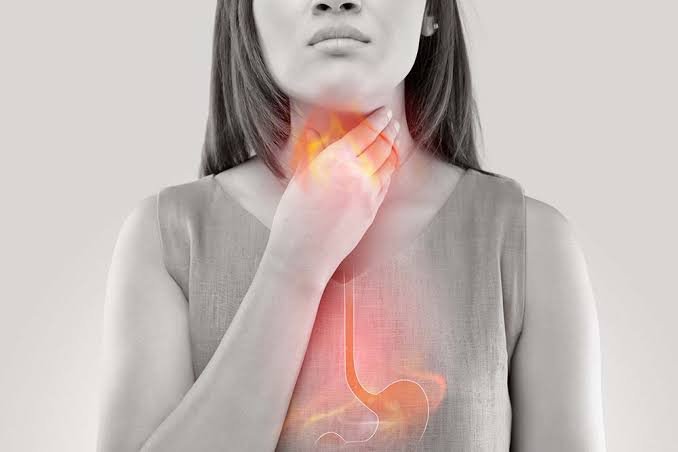
Gastroesophageal Reflux Disease (GERD), commonly known as acid reflux, is a digestive condition in which stomach acid and other stomach contents repeatedly flow back into the oesophagus, the tube that connects the mouth to the stomach. This happens when the lower oesophageal sphincter, a muscular valve that normally prevents stomach contents from moving backwards, becomes weak or relaxes inappropriately. Occasional acid reflux is common, but when it occurs frequently or causes troublesome symptoms, it may require medical evaluation and treatment.
GERD can affect daily comfort, sleep quality, eating habits, and overall well-being if left unmanaged. Common symptoms include heartburn, a sour taste in the mouth, and regurgitation after meals. With appropriate medical care, lifestyle adjustments, and medication when necessary, most patients can manage their symptoms effectively. Dr. Pandu Chouhan focuses on helping patients understand their symptoms and explore suitable treatment approaches to improve digestive comfort and quality of life.
GERD develops when the natural barrier between the stomach and oesophagus does not function properly. A weakened lower oesophageal sphincter may allow stomach acid to flow back into the oesophagus, irritating its sensitive lining. Several factors can contribute to this condition, including obesity, pregnancy, a hiatal hernia, smoking, and certain medications that affect the function of the oesophageal sphincter.
Dietary habits and daily routines may also trigger or worsen acid reflux. Eating large meals, lying down soon after eating, consuming fatty or spicy foods, and drinking coffee or alcohol can aggravate symptoms in some individuals. Late-night meals and excess abdominal pressure may also contribute to reflux. However, triggers vary from person to person, and identifying individual patterns is an important part of effective GERD management.
The symptoms of GERD can range from occasional discomfort to persistent irritation that interferes with daily activities. Heartburn, often described as a burning sensation behind the breastbone, is one of the most common symptoms. Patients may also experience sour or bitter fluid rising into the mouth, frequent belching, bloating, nausea, or discomfort after eating. Symptoms often become more noticeable after large meals or when lying down, bending forward, or going to bed soon after dinner.
Some people experience less typical symptoms, such as a persistent cough, hoarseness, throat irritation, difficulty swallowing, or a sensation of a lump in the throat. Acid reflux may also disturb sleep and cause discomfort during the night. These symptoms can have causes other than GERD, so persistent or unusual complaints should be assessed by a healthcare professional rather than assumed to be acid reflux.
Diagnosing GERD usually begins with a detailed review of the patient’s symptoms, medical history, eating habits, medications, and lifestyle factors. A healthcare professional may assess how frequently symptoms occur, whether they worsen after meals or at night, and whether they respond to initial treatment. In many cases, a typical history of heartburn and regurgitation is sufficient to begin appropriate management.
Further investigations may be recommended when symptoms persist despite treatment, the diagnosis is uncertain, or warning signs are present. Upper gastrointestinal endoscopy allows the doctor to examine the oesophagus and stomach for inflammation, ulcers, narrowing, or other abnormalities. Ambulatory pH monitoring, sometimes combined with impedance testing, can measure acid and non-acid reflux over time. Oesophageal manometry may be used when a swallowing disorder or an oesophageal movement problem is suspected. The choice of tests depends on the patient’s symptoms and clinical findings.
GERD treatment aims to relieve symptoms, reduce irritation of the oesophagus, and prevent complications. Initial management often involves lifestyle changes, such as eating smaller meals, avoiding personal food triggers, maintaining a healthy weight, and not lying down for at least two to three hours after eating. Raising the head of the bed can help patients who experience nighttime reflux. Stopping smoking and limiting alcohol may also improve symptom control.
Medications may be recommended according to the severity and frequency of symptoms. Antacids can provide short-term relief, while alginate preparations may help reduce reflux after meals. H2-receptor blockers reduce stomach acid production, and proton pump inhibitors (PPIs) are commonly used to control acid and allow the oesophageal lining to heal. These medicines should be selected and used with appropriate medical guidance, particularly when symptoms are persistent or long-term treatment is being considered.
For carefully selected patients whose GERD remains troublesome despite appropriate treatment, or who have specific complications, further evaluation may identify whether an intervention is appropriate. Procedures such as fundoplication or other specialised anti-reflux interventions may be considered in suitable cases following a thorough assessment. Treatment is individualised according to the underlying cause, symptom severity, test results, and the patient’s overall health.
Ongoing care plays an important role in keeping GERD symptoms under control after treatment. Patients should follow their prescribed medication schedule and discuss any persistent symptoms or side effects with their healthcare professional before changing or stopping medication. Maintaining a healthy weight, eating balanced meals, avoiding late-night eating, and remaining upright after meals can help reduce recurrent reflux.
Patients who have undergone an anti-reflux procedure should follow their surgeon’s instructions regarding diet progression, activity, medication, and follow-up appointments. Temporary swallowing difficulties, bloating, or changes in eating tolerance may occur after certain procedures and should be discussed with the treating team if troublesome or persistent. Regular follow-up helps assess recovery, review symptom control, and identify any need for further evaluation or treatment adjustments.
When GERD is frequent or inadequately controlled, repeated exposure to stomach acid can inflame and damage the oesophageal lining. Possible complications include erosive oesophagitis, ulcers, bleeding, and narrowing of the oesophagus due to scar tissue, which may make swallowing difficult. Some patients develop a condition called Barrett’s oesophagus, in which the lining of the lower oesophagus changes in response to chronic reflux. Barrett’s oesophagus increases the risk of oesophageal cancer, although most people with GERD do not develop this complication.
Persistent reflux may also affect sleep and daily comfort, leading to reduced quality of life. Chronic cough, throat symptoms, and dental enamel erosion can occur in some patients, although these problems may have other underlying causes. Early assessment, appropriate treatment, and follow-up when recommended can help control symptoms and reduce the risk of complications.
Medical evaluation is recommended if heartburn or acid reflux occurs frequently, disrupts sleep, interferes with eating, or continues despite lifestyle changes and over-the-counter treatment. Difficulty swallowing, painful swallowing, persistent vomiting, unexplained weight loss, anaemia, or signs of gastrointestinal bleeding require prompt medical attention. Vomiting blood or passing black, tarry stools may indicate bleeding and should be treated as urgent warning signs.
Chest pain should never automatically be attributed to acid reflux. Severe or unexplained chest pain, particularly when accompanied by breathlessness, sweating, dizziness, or pain spreading to the arm, back, neck, or jaw, requires emergency medical assessment to rule out a heart-related cause. Timely consultation with Dr. Pandu Chouhan can help patients understand their symptoms, determine whether further evaluation is needed, and receive guidance on appropriate treatment and long-term GERD management.
Providing expert, compassionate care for children’s digestive health, nutrition, growth and gastrointestinal conditions.
9:00 AM – 6:00 PM (By Appointment Only)
© Copyright Dr. Pandu Chauhan 2026. All Rights Reserved. | Developed by Prigmasoft Technologies.
No WhatsApp Number Found!
WhatsApp us