
Introduction
Proper nutrition plays an essential role in a child’s physical growth, brain development and overall health. During childhood, the body requires a balanced combination of nutrients to develop strong bones, healthy muscles, a functioning immune system and proper digestive health.
Children who receive adequate nutrition are better supported in their daily activities, learning and development. However, an unbalanced diet or nutritional deficiencies may affect growth, energy levels and overall well-being.
Understanding the essential nutrients every growing child needs can help parents make healthier food choices and establish good eating habits from an early age.
Why Is Nutrition Important for Growing Children?
Childhood is an important period of rapid physical and mental development. Nutrients provide the energy and building blocks required for the development of bones, muscles, organs and the brain.
Proper nutrition also supports immunity, digestion and healthy weight gain. A balanced diet helps children maintain energy levels, recover from illnesses and develop healthy eating habits that can continue into adulthood.
Essential Nutrients Every Child Needs
1. Proteins
Protein is essential for building and repairing body tissues, developing muscles and supporting normal growth.
Good sources include eggs, milk, curd, pulses, beans, lentils, paneer, fish and lean meat. Including appropriate protein-rich foods in daily meals helps support healthy development.
2. Carbohydrates
Carbohydrates are the body’s primary source of energy. They help children remain active and support everyday physical and mental activities.
Whole grains, rice, oats, potatoes, fruits and other nutritious foods provide carbohydrates. Choosing fibre-rich carbohydrate sources can also support digestive health.
3. Healthy Fats
Healthy fats are important for brain development, hormone production and the absorption of fat-soluble vitamins.
Sources include nuts, seeds, avocados and appropriate vegetable oils. Fat-containing foods should be included in balanced amounts according to the child’s age and nutritional requirements.
4. Vitamins
Vitamins support several essential functions in a growing child’s body.
Vitamin A supports vision and immune function, vitamin C helps with tissue repair and iron absorption, and vitamin D supports healthy bones and teeth.
Fruits, vegetables, dairy products, eggs and other nutritious foods provide different vitamins required for healthy development.
5. Minerals
Minerals such as calcium, iron and zinc play important roles in childhood growth.
Calcium supports strong bones and teeth, iron helps carry oxygen through the blood, and zinc contributes to immune function and tissue development.
Milk, curd, leafy vegetables, pulses, nuts, seeds and other nutritious foods can help provide these minerals.
6. Fibre
Dietary fibre supports healthy digestion and regular bowel movements. It can also help children maintain a healthy appetite and digestive routine.
Fruits, vegetables, whole grains and pulses are good sources of fibre. Fibre intake should increase gradually along with adequate fluid consumption.
7. Water
Water is essential for digestion, nutrient transportation, temperature regulation and normal body functions.
Encourage children to drink water regularly throughout the day, particularly during physical activities and hot weather.
Signs Your Child May Not Be Getting Enough Nutrition
Nutritional deficiencies may develop when children do not receive adequate amounts of essential nutrients over time.
Some possible warning signs include:
- Poor weight gain or slow growth.
- Frequent tiredness or weakness.
- Reduced appetite.
- Pale skin or unusual fatigue.
- Frequent illnesses.
- Dry skin or brittle hair.
- Difficulty concentrating.
These symptoms can have several causes and do not necessarily indicate nutritional deficiencies. A medical assessment can help identify the underlying problem.
How Can Parents Encourage Healthy Eating Habits?
Parents play an important role in developing healthy eating habits during childhood.
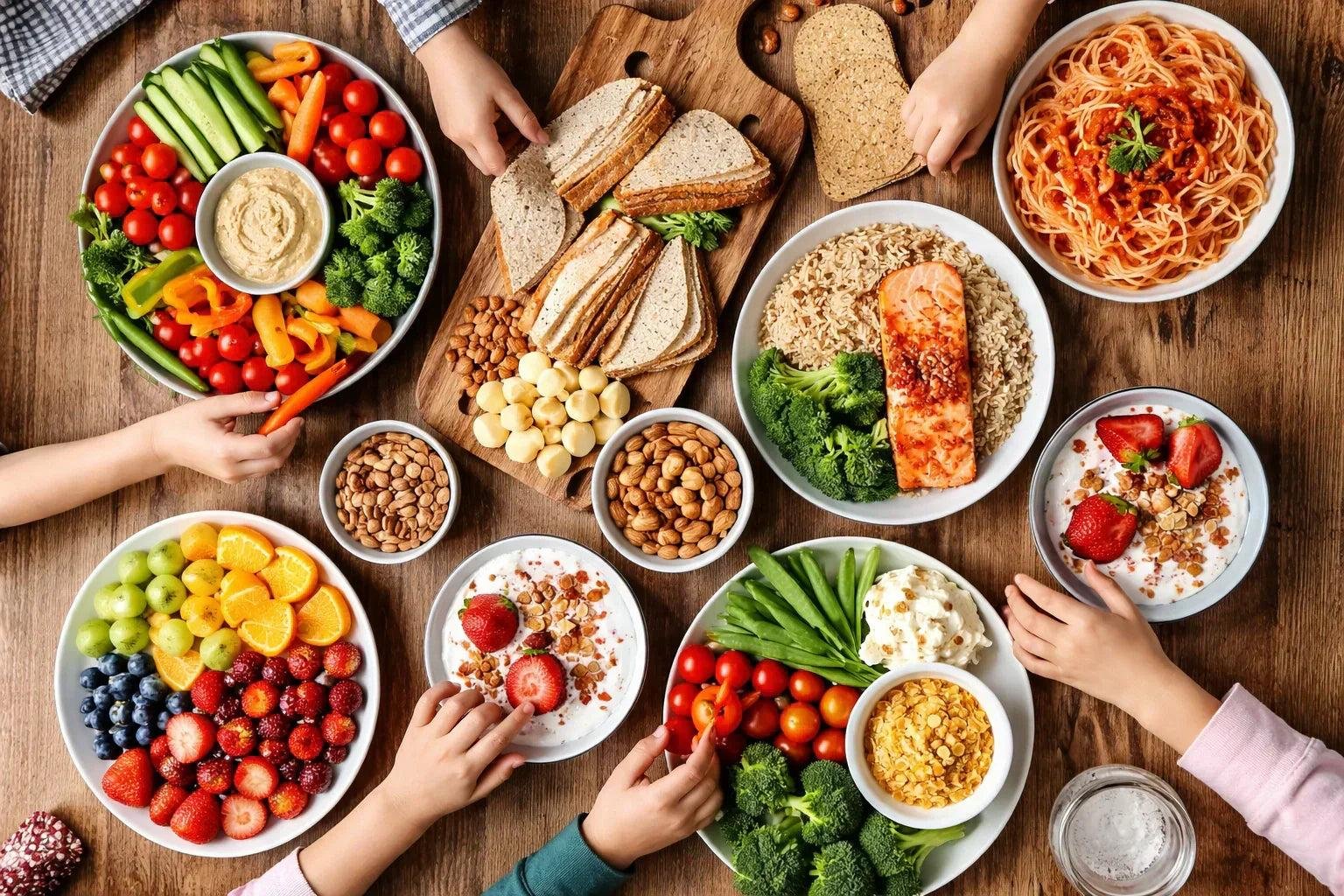
Offer a variety of foods, including fruits, vegetables, whole grains and protein-rich meals. Maintain regular meal times and encourage children to eat without distractions.
Limit excessive consumption of sugary drinks, packaged snacks and highly processed foods. Introduce new foods patiently and avoid forcing children to eat.
For infants and toddlers, food textures and portion sizes should be appropriate for their developmental stage. Breastfeeding and age-appropriate complementary feeding are also important during early childhood.
When Should You Consult a Pediatrician?
If your child experiences poor weight gain, reduced appetite, persistent digestive problems, unusual fatigue or delayed growth, medical evaluation may be necessary.
A pediatrician or pediatric gastroenterologist can assess the child’s growth pattern, dietary habits and nutritional requirements. Blood tests or other investigations may be recommended when a nutritional deficiency or underlying digestive condition is suspected.
Early identification helps ensure that children receive appropriate nutritional support and treatment.