
Explore More: Constipation
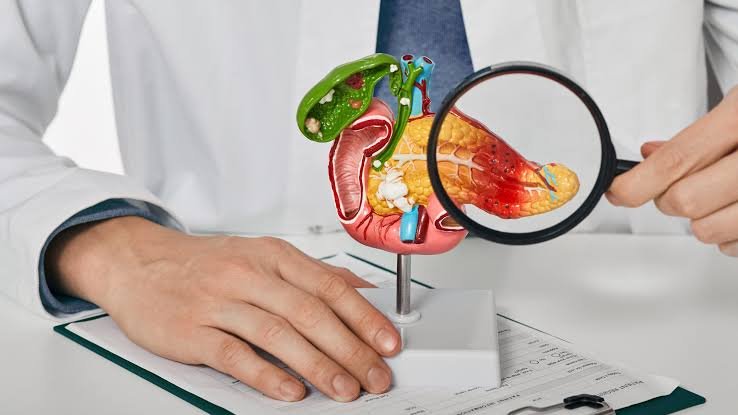
Pancreatic disorders are medical conditions that affect the pancreas, an important organ located behind the stomach. The pancreas plays a vital role in digestion by producing enzymes that help break down food and hormones, including insulin, that regulate blood sugar levels. Conditions such as pancreatitis, pancreatic cysts, pancreatic duct obstructions, and other pancreatic diseases can interfere with these functions and cause significant abdominal pain and digestive problems. Some pancreatic disorders may develop gradually, while others can cause sudden and severe symptoms. Early diagnosis, appropriate medical treatment, and effective pain management are essential for controlling symptoms, preventing complications, and improving a patient’s quality of life.
Pancreatic disorders can develop due to several underlying factors, depending on the specific condition. Gallstones and excessive alcohol consumption are among the common causes of pancreatitis, which involves inflammation of the pancreas. Other contributing factors include high levels of triglycerides in the blood, certain medications, genetic conditions, abdominal injuries, and autoimmune diseases. In some cases, blockages in the pancreatic duct can interfere with the normal flow of digestive enzymes and contribute to inflammation or pain. Smoking, a family history of pancreatic disease, and certain metabolic conditions may also increase the risk of particular pancreatic disorders. Identifying the underlying cause is an important step in developing an effective treatment plan and reducing the likelihood of recurrence.
The symptoms of pancreatic disorders vary according to the type and severity of the condition. Persistent pain in the upper abdomen is a common symptom and may spread to the back or become worse after eating. Some patients experience nausea, vomiting, abdominal tenderness, bloating, indigestion, or a reduced appetite. Chronic pancreatic conditions may lead to unexplained weight loss, greasy or foul-smelling stools, and difficulty digesting fatty foods. In certain cases, yellowing of the skin and eyes, known as jaundice, may occur due to an obstruction affecting bile flow. Pancreatic disorders can also interfere with blood sugar regulation and contribute to diabetes. Persistent or recurring abdominal pain should not be ignored, particularly when it is accompanied by digestive changes or unexplained weight loss.
Accurate diagnosis of pancreatic disorders begins with a detailed medical history, a review of symptoms, and a physical examination. The doctor may recommend blood tests to evaluate pancreatic enzymes, blood glucose, liver function, and other relevant indicators. Imaging investigations, such as abdominal ultrasound, computed tomography (CT), or magnetic resonance imaging (MRI), can help identify inflammation, cysts, duct abnormalities, and other structural changes in the pancreas. In selected cases, magnetic resonance cholangiopancreatography (MRCP) or endoscopic ultrasound may be recommended to examine the pancreas and surrounding ducts more closely. Additional investigations may be necessary depending on the suspected condition. A comprehensive diagnostic evaluation helps determine the cause of the symptoms and guides decisions regarding medication, specialist care, and pain management.
Treatment for pancreatic disorders depends on the underlying cause, the severity of symptoms, and the patient’s overall health. Acute pancreatitis may require hospital care, intravenous fluids, appropriate pain relief, nutritional support, and treatment of the triggering cause. Chronic pancreatitis may require a combination of pain management, pancreatic enzyme replacement when indicated, nutritional guidance, and support for blood sugar control. If gallstones or duct obstructions are responsible for the condition, an endoscopic procedure or surgery may be considered. Selected pancreatic cysts and other abnormalities may require monitoring, further investigation, or specialist intervention. For patients experiencing persistent pancreatic pain, a tailored pain management approach may include prescribed medications and, in carefully selected cases, image-guided nerve blocks or other interventional pain procedures. Dr. Pandu Chouhan can help assess pain-related concerns and discuss appropriate pain management options as part of a coordinated treatment plan with the relevant specialists.
Proper care after treatment is important for supporting recovery, managing discomfort, and reducing the risk of further pancreatic problems. Patients should follow their doctor’s instructions regarding medication, diet, physical activity, and follow-up appointments. Depending on the diagnosis, a balanced diet with appropriately adjusted fat intake and smaller, more frequent meals may be recommended. Patients with pancreatic enzyme insufficiency may benefit from prescribed enzyme supplements taken as directed, while those with diabetes or blood sugar abnormalities may need regular glucose monitoring. Avoiding alcohol and stopping smoking are particularly important for patients with alcohol-related or chronic pancreatic disease. Adequate hydration, appropriate nutrition, and timely reporting of new or worsening symptoms can also support recovery. Follow-up care should be individualized according to the condition, treatment received, and the patient’s progress.
Untreated or severe pancreatic disorders can lead to complications that affect digestion, nutrition, blood sugar regulation, and overall health. Acute pancreatitis may cause fluid collections, tissue damage, infection, or organ dysfunction in severe cases. Chronic pancreatitis can result in persistent abdominal pain, poor absorption of nutrients, unintended weight loss, and diabetes. Pancreatic duct obstruction may contribute to recurrent inflammation, while certain pancreatic cysts require careful assessment because some have the potential for malignant changes. Persistent or unexplained symptoms may also indicate a more serious underlying condition that needs further investigation. Although not every pancreatic disorder leads to complications, early diagnosis, appropriate treatment, and regular medical follow-up can help reduce risks and support better long-term outcomes.
Medical evaluation is important if you experience persistent upper abdominal pain, recurring abdominal discomfort after meals, unexplained weight loss, ongoing digestive problems, or changes in stool that do not improve. You should seek urgent medical attention for sudden or severe abdominal pain, especially if it spreads to the back or occurs with repeated vomiting, fever, a rapid heartbeat, or marked abdominal tenderness. Yellowing of the skin or eyes, dark urine, or pale stools also warrants prompt medical assessment. These symptoms can have several causes, including conditions that require immediate treatment, and should not be self-diagnosed. Early consultation with a qualified healthcare professional can help identify the underlying problem and determine the most appropriate course of care. For patients experiencing persistent pancreatic pain, Dr. Pandu Chouhan can help evaluate pain management needs and coordinate care with the appropriate medical specialists.
Explore More:Abdominal Pain
Providing expert, compassionate care for children’s digestive health, nutrition, growth and gastrointestinal conditions.
9:00 AM – 6:00 PM (By Appointment Only)
© Copyright Dr. Pandu Chauhan 2026. All Rights Reserved. | Developed by Prigmasoft Technologies.
No WhatsApp Number Found!
WhatsApp us