
Explore More: Constipation
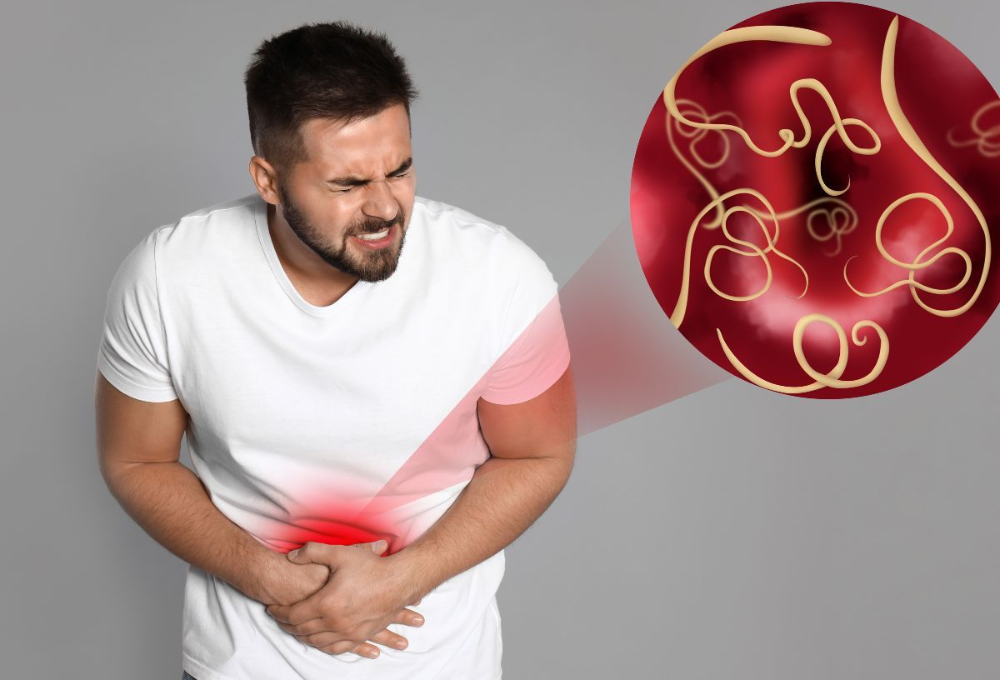
Chronic bloating and gas are common digestive concerns that can cause persistent abdominal fullness, pressure, discomfort, and excessive flatulence. While occasional bloating is a normal part of digestion, symptoms that occur frequently or continue for several weeks may indicate an underlying digestive issue. Chronic bloating can affect appetite, daily activities, sleep, and overall quality of life. It may be associated with dietary habits, food intolerances, constipation, or gastrointestinal conditions such as irritable bowel syndrome (IBS). Identifying the underlying cause is essential for effective and lasting relief. Under the guidance of Dr. Pandu Chouhan, patients can receive an appropriate evaluation and an individualised treatment plan based on their symptoms and medical history.
Chronic bloating and gas can develop due to several factors, including the accumulation of gas in the digestive tract, changes in gut movement, and difficulty digesting certain foods. Eating too quickly, consuming carbonated beverages, chewing gum, or swallowing excess air while eating can increase gas production. Foods such as beans, lentils, onions, cabbage, and certain dairy products may trigger symptoms in sensitive individuals. Lactose intolerance, fructose intolerance, constipation, and irritable bowel syndrome are also common contributors. In some cases, small intestinal bacterial overgrowth (SIBO), coeliac disease, or other gastrointestinal disorders may be responsible. Stress and anxiety can further influence gut function and make digestive symptoms more noticeable.
The symptoms of chronic bloating and gas can vary in severity and frequency. Patients may experience a feeling of fullness or tightness in the abdomen, visible abdominal swelling, frequent belching, excessive flatulence, or abdominal discomfort. Some individuals report cramping, rumbling sounds in the stomach, or a sensation that gas is trapped inside the digestive tract. Symptoms may worsen after meals or towards the end of the day. Changes in bowel habits, including constipation, diarrhoea, or alternating episodes of both, may also occur, particularly in patients with IBS. Persistent symptoms that interfere with eating, working, or everyday activities should be assessed by a healthcare professional to determine their cause.
Diagnosing chronic bloating and gas begins with a detailed assessment of the patient’s symptoms, dietary habits, bowel movements, medical history, and current medications. Dr. Pandu Chouhan may recommend a physical examination to identify abdominal tenderness, swelling, or other signs that require further investigation. Depending on the patient’s symptoms, diagnostic tests may include blood tests, stool tests, lactose intolerance testing, or breath tests to assess conditions such as SIBO. Additional investigations, including abdominal imaging or endoscopic procedures, may be considered when clinically indicated. A food and symptom diary can also help identify dietary triggers and patterns. The goal of diagnosis is to distinguish common digestive disturbances from underlying conditions that require specific treatment.
Treatment for chronic bloating and gas depends on the underlying cause, symptom severity, and individual health needs. Dietary modifications may include reducing carbonated drinks, limiting foods that trigger symptoms, eating smaller meals, and avoiding excessive air swallowing while eating. Patients with specific food intolerances may benefit from targeted dietary changes under professional guidance. In selected cases, a low-FODMAP diet may help reduce symptoms associated with irritable bowel syndrome, ideally with support from a qualified dietitian. Treatment may also involve managing constipation, using appropriate medications to relieve gas or abdominal discomfort, or addressing an underlying digestive disorder. Antibiotics may be prescribed for confirmed or strongly suspected bacterial overgrowth when appropriate. Dr. Pandu Chouhan can help guide patients towards suitable treatment options based on a careful assessment rather than relying on temporary symptom relief alone.
Ongoing care plays an important role in preventing recurrent bloating and gas after treatment. Patients are generally advised to eat slowly, chew food thoroughly, maintain regular meal times, stay adequately hydrated, and engage in regular physical activity to support healthy digestion. Identifying individual food triggers and keeping a record of symptoms can help patients make informed dietary choices without unnecessarily eliminating entire food groups. If constipation contributes to bloating, maintaining an appropriate fibre intake and following a consistent bowel routine may be beneficial, with dietary changes introduced gradually. Patients should take prescribed medications as directed and attend follow-up appointments when recommended. If symptoms persist, return, or worsen despite treatment, further evaluation may be necessary to reassess the diagnosis and adjust the management plan.
Although chronic bloating and gas are often associated with manageable digestive problems, persistent symptoms should not be ignored. Ongoing discomfort may affect nutrition, sleep, concentration, social activities, and emotional well-being. Unnecessary dietary restrictions can also lead to nutritional deficiencies if important food groups are excluded without proper guidance. When bloating is caused by an underlying condition such as coeliac disease, severe constipation, or intestinal obstruction, delaying appropriate treatment may lead to more serious complications. Persistent abdominal swelling accompanied by unexplained weight loss, anaemia, vomiting, or changes in bowel habits may indicate a condition requiring further investigation. Early medical assessment can help identify potential problems and ensure timely, appropriate treatment.
You should consult a healthcare professional if chronic bloating and gas occur frequently, persist for several weeks, interfere with daily life, or do not improve with simple dietary and lifestyle changes. Medical evaluation is particularly important when symptoms are accompanied by persistent abdominal pain, unexplained weight loss, ongoing diarrhoea or constipation, blood in the stool, or a noticeable change in bowel habits. Seek urgent medical attention if you experience severe or sudden abdominal pain, marked abdominal swelling with an inability to pass stool or gas, persistent vomiting, or significant bleeding. These symptoms may indicate a serious condition that requires prompt assessment. Dr. Pandu Chouhan can help evaluate persistent digestive discomfort, identify possible contributing factors, and recommend an appropriate care plan to support better digestive health and long-term symptom management.
Explore More: Abdominal pain
Providing expert, compassionate care for children’s digestive health, nutrition, growth and gastrointestinal conditions.
9:00 AM – 6:00 PM (By Appointment Only)
© Copyright Dr. Pandu Chauhan 2026. All Rights Reserved. | Developed by Prigmasoft Technologies.
No WhatsApp Number Found!
WhatsApp us