
Explore More: Constipation
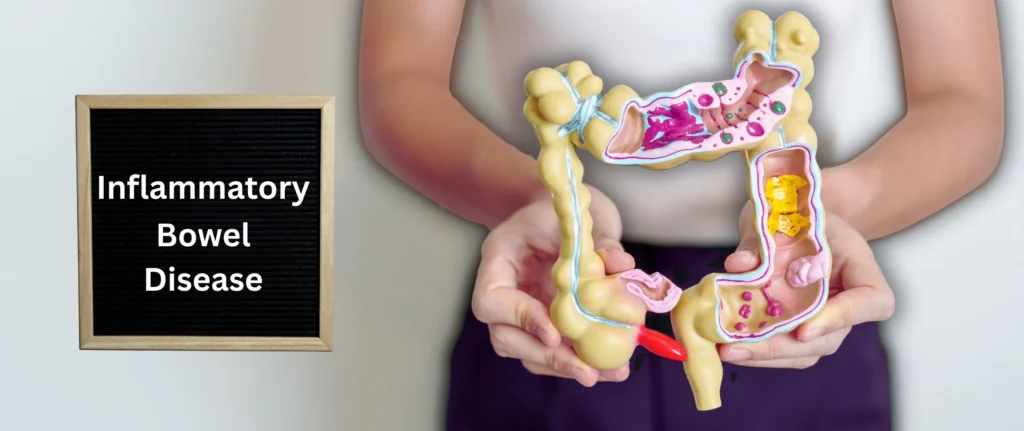
Inflammatory Bowel Disease (IBD) is a group of chronic conditions that cause inflammation in the digestive tract, affecting normal digestion and overall gut health. The two main types of IBD are Crohn’s disease and ulcerative colitis. Crohn’s disease can affect any part of the gastrointestinal tract, from the mouth to the anus, while ulcerative colitis primarily affects the colon and rectum. IBD may cause persistent digestive discomfort, changes in bowel habits, fatigue, and nutritional deficiencies. Although it is a long-term condition, timely diagnosis and appropriate medical management can help control inflammation, relieve symptoms, and improve quality of life.
The exact cause of Inflammatory Bowel Disease is not fully understood. However, it is believed to develop through a combination of genetic susceptibility, immune system dysfunction, environmental influences, and changes in the gut microbiome. In people with IBD, the immune system may trigger an abnormal inflammatory response that damages the lining of the digestive tract. A family history of IBD may increase the risk of developing the condition. Smoking, certain environmental factors, and some medications may also influence disease activity or worsen symptoms in susceptible individuals. IBD is not contagious, and it is not simply caused by stress or a particular food, although stress and dietary triggers can affect symptom severity.
The symptoms of Inflammatory Bowel Disease can vary depending on the type, location, and severity of inflammation. Common symptoms include persistent diarrhoea, abdominal pain or cramping, blood or mucus in the stool, urgent bowel movements, bloating, unexplained weight loss, reduced appetite, and ongoing fatigue. Some individuals may also experience fever, anaemia, joint pain, or inflammation affecting the skin and eyes. Symptoms may occur in episodes known as flare-ups, followed by periods of remission when the condition becomes less active. Because these symptoms can overlap with other digestive disorders, a proper medical evaluation is important to determine the underlying cause and ensure appropriate treatment.
Diagnosing Inflammatory Bowel Disease involves reviewing the patient’s medical history, symptoms, family history, and physical examination findings. A doctor may recommend blood tests to identify inflammation, anaemia, or nutritional deficiencies, along with stool tests to detect intestinal inflammation and rule out certain infections. Colonoscopy with biopsy is an important diagnostic procedure that allows specialists to examine the intestinal lining and collect tissue samples for laboratory analysis. Depending on the suspected location of the disease, additional investigations such as upper gastrointestinal endoscopy, magnetic resonance imaging (MRI), computed tomography (CT), or intestinal ultrasound may be required. An accurate diagnosis helps distinguish Crohn’s disease and ulcerative colitis from other gastrointestinal conditions and supports the development of an individualized treatment plan.
Treatment for Inflammatory Bowel Disease aims to reduce inflammation, control symptoms, achieve remission, and prevent long-term complications. Depending on the type and severity of the condition, treatment may include anti-inflammatory medicines, corticosteroids for short-term control of flare-ups, immunomodulators, biologic therapies, or targeted oral medications. Nutritional support and dietary adjustments can help manage symptoms and correct deficiencies, although no single diet is suitable for every patient. In severe cases, complications such as intestinal narrowing, fistulas, abscesses, or uncontrolled inflammation may require surgery. Pain management is also an important part of comprehensive care, particularly for patients experiencing persistent abdominal discomfort. Dr. Pandu Chouhan can help assess pain-related concerns and support an appropriate management approach in coordination with a gastroenterologist or other treating specialists. Treatment is tailored to the patient’s condition, response to medication, and overall health.
Ongoing care is essential for managing Inflammatory Bowel Disease and maintaining long-term symptom control. Patients should take prescribed medications as directed, attend scheduled follow-up appointments, and undergo recommended blood tests, stool tests, or endoscopic examinations to monitor disease activity. A balanced, nutritious diet, adequate hydration, sufficient sleep, and regular physical activity can support overall well-being. Keeping a food and symptom diary may help identify individual triggers and recognize early signs of a flare-up. Patients should avoid changing or stopping medication without consulting their doctor and should discuss the safe use of pain-relief medicines, as some non-steroidal anti-inflammatory drugs (NSAIDs) may worsen IBD symptoms in certain individuals. Regular communication with the treating medical team helps ensure that treatment remains effective and appropriate over time.
If Inflammatory Bowel Disease is not adequately controlled, ongoing inflammation can lead to several complications. These may include intestinal bleeding, anaemia, dehydration, malnutrition, and unintended weight loss. Crohn’s disease can cause intestinal strictures, bowel obstruction, fistulas, and abscesses, while severe ulcerative colitis may lead to significant bleeding or a rare but serious condition called toxic megacolon. Long-standing inflammation of the colon can also increase the risk of colorectal cancer, making appropriate surveillance important for eligible patients. Some individuals may experience complications outside the digestive system, including joint inflammation, skin conditions, eye inflammation, and bone health problems. Early diagnosis, appropriate treatment, and regular monitoring can reduce the likelihood of serious complications and help preserve digestive health.
You should consult a doctor if you experience persistent diarrhoea, recurring abdominal pain, blood in your stool, unexplained weight loss, ongoing fatigue, or a noticeable change in bowel habits. Individuals already diagnosed with IBD should seek medical advice if their symptoms worsen, flare-ups become more frequent, or prescribed treatment no longer provides adequate relief. Seek urgent medical attention if you develop severe or rapidly worsening abdominal pain, heavy rectal bleeding, persistent vomiting, significant abdominal swelling, high fever, or signs of severe dehydration. These symptoms may indicate a serious complication requiring prompt assessment. Early medical evaluation and coordinated care can help identify the cause of symptoms, improve pain control, and support better long-term management of Inflammatory Bowel Disease.
Providing expert, compassionate care for children’s digestive health, nutrition, growth and gastrointestinal conditions.
9:00 AM – 6:00 PM (By Appointment Only)
© Copyright Dr. Pandu Chauhan 2026. All Rights Reserved. | Developed by Prigmasoft Technologies.
No WhatsApp Number Found!
WhatsApp us