
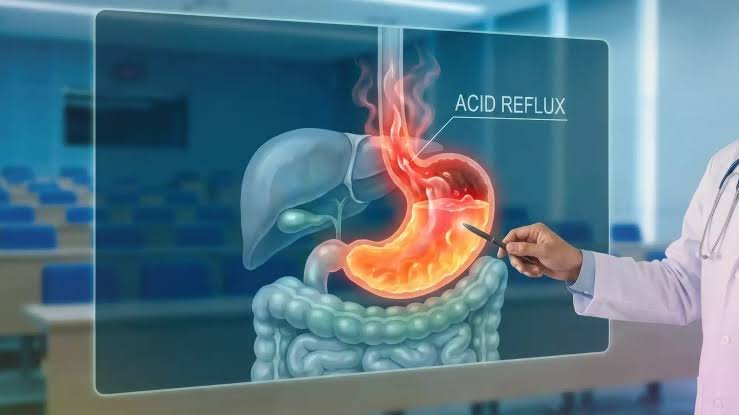
Pediatric endoscopy and colonoscopy are specialised diagnostic procedures used to examine the digestive system in children and adolescents. These procedures help doctors identify the underlying causes of persistent gastrointestinal symptoms, investigate digestive disorders, and guide appropriate treatment. An upper gastrointestinal endoscopy involves inserting a thin, flexible tube with a small camera through the mouth to examine the oesophagus, stomach, and the first part of the small intestine. A colonoscopy uses a similar instrument inserted through the rectum to examine the large intestine and, when necessary, the end of the small intestine. Depending on the child’s symptoms, medical history, and examination findings, the doctor may recommend one or both procedures. At Dr. Pandu Chouhan’s practice, the focus is on helping families understand the purpose of these investigations, their potential benefits, and the importance of appropriate medical evaluation for children’s digestive health.
Pediatric endoscopy and colonoscopy are recommended when a child experiences persistent or unexplained digestive symptoms that require further investigation. Common reasons include chronic abdominal pain, recurrent vomiting, difficulty swallowing, persistent diarrhoea, constipation accompanied by concerning symptoms, unexplained weight loss, and gastrointestinal bleeding. These procedures may also help investigate conditions such as gastroesophageal reflux disease, coeliac disease, inflammatory bowel disease, including Crohn’s disease and ulcerative colitis, and certain intestinal infections. In some cases, doctors may recommend an endoscopy to investigate unexplained anaemia, nutritional deficiencies, or problems with growth and development. The decision to perform either procedure depends on the suspected condition, the severity and duration of symptoms, and the results of preliminary investigations.
Children who may require pediatric endoscopy or colonoscopy can experience a wide range of symptoms depending on the affected part of the digestive system. Upper gastrointestinal symptoms may include persistent heartburn, recurrent vomiting, difficulty or pain while swallowing, ongoing upper abdominal discomfort, and unexplained feeding difficulties. Symptoms that may warrant examination of the colon include prolonged diarrhoea, blood or mucus in the stool, persistent lower abdominal pain, unexplained weight loss, and changes in bowel habits. Poor appetite, fatigue, pallor, and delayed growth may also indicate an underlying digestive problem. Although occasional stomach discomfort or changes in bowel movements are common during childhood, persistent, recurring, or worsening symptoms should be evaluated by a qualified healthcare professional to determine whether further testing is necessary.
The diagnostic process begins with a detailed review of the child’s symptoms, medical history, growth pattern, current medications, and family history of digestive conditions. A physical examination may be followed by blood tests, stool analysis, or imaging studies, depending on the suspected diagnosis. If these investigations do not provide sufficient information, pediatric endoscopy or colonoscopy may be recommended. Both procedures are generally performed by appropriately trained specialists in a suitable clinical setting, with sedation or anaesthesia selected according to the child’s age, health, and procedural requirements. During the examination, the doctor can inspect the digestive tract and collect small tissue samples, known as biopsies, when needed. These samples can help identify inflammation, coeliac disease, infection, or other abnormalities. The findings are then interpreted alongside the child’s symptoms and other test results to establish an accurate diagnosis and plan further care.
The appropriate treatment following pediatric endoscopy or colonoscopy depends on the findings and the underlying condition. In some cases, the procedure confirms that no significant abnormality is present, providing reassurance and helping the doctor consider other possible causes of the child’s symptoms. When inflammation, infection, or another digestive disorder is identified, treatment may involve prescribed medications, dietary adjustments, nutritional support, or ongoing specialist monitoring. Conditions such as inflammatory bowel disease may require long-term medical management, while certain findings may benefit from targeted interventions performed during the procedure. In selected cases, endoscopy can also be used to remove swallowed foreign objects, control specific sources of bleeding, or treat certain narrowing of the digestive tract. Every treatment plan should be individualised according to the child’s diagnosis, age, nutritional needs, and overall health, with parents or caregivers receiving clear guidance about the available options.
Appropriate post-procedure care helps children recover comfortably and safely after an endoscopy or colonoscopy. Following sedation or anaesthesia, the child is monitored by the medical team until their condition is stable and they are sufficiently awake for discharge. Mild throat discomfort, temporary bloating, gas, or mild abdominal cramping may occur and usually improve within a short period. Parents should follow the doctor’s instructions regarding food, fluids, medications, and the resumption of normal activities. Children who undergo a colonoscopy may need additional recovery time depending on the preparation and sedation used. If biopsies have been collected, the doctor will explain when and how the results will be communicated and whether a follow-up appointment is necessary. Families should also receive clear instructions about warning signs that require prompt medical attention and any additional care needed for the diagnosed condition.
Pediatric endoscopy and colonoscopy are generally considered safe when performed by appropriately trained specialists with suitable monitoring and paediatric care arrangements. However, as with any medical procedure, some risks exist. These may include temporary abdominal discomfort, bloating, nausea, sore throat, or minor bleeding after a biopsy. Rare but more serious complications include significant bleeding, perforation of the digestive tract, infection, or adverse reactions to sedation or anaesthesia. The likelihood of complications depends on the child’s health, the condition being investigated, and whether additional interventions are performed during the procedure. Before proceeding, the healthcare team should explain the expected benefits, potential risks, preparation requirements, and available alternatives to the parents or legal guardians. This discussion helps families make an informed decision and understand the precautions taken to protect the child’s safety.
Parents and caregivers should consult a healthcare professional when a child experiences persistent abdominal pain, recurrent vomiting, ongoing diarrhoea, difficulty swallowing, unexplained weight loss, poor growth, or blood in the stool. These symptoms do not always indicate a serious condition, but they may require timely evaluation to identify the cause and prevent complications. A specialist may recommend pediatric endoscopy or colonoscopy when symptoms persist despite initial treatment, preliminary tests suggest a digestive disorder, or direct examination of the gastrointestinal tract is needed. Seek urgent medical attention if a child develops severe or rapidly worsening abdominal pain, significant gastrointestinal bleeding, repeated vomiting with signs of dehydration, or a swollen and rigid abdomen. Prompt assessment, accurate diagnosis, and appropriate follow-up care can help support digestive health and improve a child’s comfort, nutrition, and overall well-being.
Providing expert, compassionate care for children’s digestive health, nutrition, growth and gastrointestinal conditions.
9:00 AM – 6:00 PM (By Appointment Only)
© Copyright Dr. Pandu Chauhan 2026. All Rights Reserved. | Developed by Prigmasoft Technologies.
No WhatsApp Number Found!
WhatsApp us