
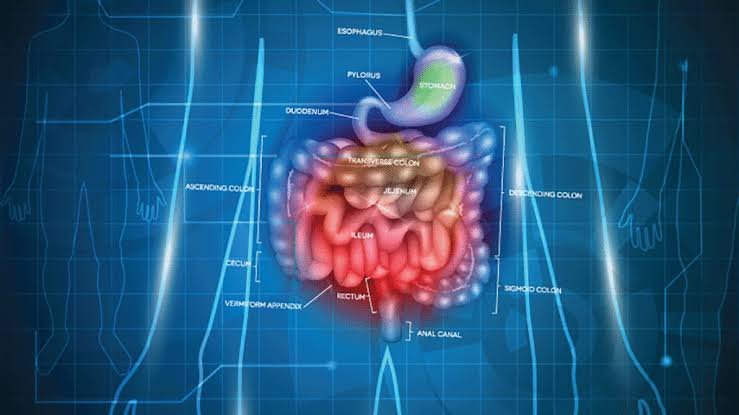
Constipation is a common digestive condition characterized by infrequent bowel movements, difficulty passing stools, or the passage of hard and dry stools. It may also cause a feeling of incomplete bowel emptying, abdominal discomfort, and bloating. Although occasional constipation is often related to dietary habits or lifestyle changes, persistent symptoms may indicate an underlying digestive or medical condition that requires professional evaluation. The management of constipation focuses on identifying its underlying cause, improving bowel regularity, and relieving discomfort through appropriate lifestyle modifications, dietary changes, and medical treatment when necessary. Dr. Pandu Chouhan provides a patient-focused approach to constipation management, emphasizing accurate assessment, individualized treatment, and long-term digestive health.
Constipation can develop due to several factors, including inadequate dietary fibre intake, insufficient fluid consumption, lack of physical activity, and irregular bowel habits. Ignoring the urge to have a bowel movement or changes in daily routines can also contribute to the condition. Certain medications, including some pain relievers, iron supplements, and medicines used to treat allergies or high blood pressure, may cause constipation as a side effect. In some cases, constipation is associated with medical conditions such as diabetes, hypothyroidism, irritable bowel syndrome, or disorders affecting the pelvic floor muscles. Identifying the contributing factors is essential for selecting an effective constipation treatment plan and reducing the likelihood of recurring symptoms.
The symptoms of constipation can vary depending on the individual and the severity of the condition. Common signs include having fewer than three bowel movements per week, passing hard or lumpy stools, straining during defecation, and experiencing discomfort while passing stools. Patients may also report abdominal pain, bloating, a sensation of fullness, or the feeling that the bowel has not emptied completely. In some cases, prolonged straining may contribute to haemorrhoids or anal fissures, which can cause pain and bleeding. Persistent symptoms should not be ignored, particularly when they interfere with daily activities or occur alongside unexplained weight loss, significant abdominal pain, or blood in the stool.
The diagnosis of constipation begins with a detailed medical history and a discussion of the patient’s bowel habits, dietary patterns, medication use, and associated symptoms. A physical examination may help identify abdominal tenderness, signs of an underlying condition, or problems affecting the rectal area when clinically indicated. Depending on the patient’s symptoms and medical history, the doctor may recommend blood tests to investigate possible contributing conditions, such as thyroid disorders or diabetes. Additional investigations, including imaging, colonoscopy, or tests to assess bowel transit and pelvic floor function, may be considered when symptoms are persistent, treatment is unsuccessful, or warning signs suggest another condition. A thorough evaluation helps determine the most appropriate approach to constipation management.
The treatment of constipation depends on its cause, duration, severity, and the patient’s overall health. For many individuals, increasing dietary fibre through fruits, vegetables, whole grains, and legumes, drinking adequate fluids, and engaging in regular physical activity can improve bowel regularity. Establishing a consistent toilet routine and responding promptly to the urge to pass stools may also help. When lifestyle changes are insufficient, a doctor may recommend suitable laxatives, such as bulk-forming agents, osmotic laxatives, or other medications based on the patient’s needs. Stool softeners or prescription treatments may be appropriate in selected cases. If constipation results from medication use, an underlying medical condition, or pelvic floor dysfunction, treatment may involve addressing that specific cause. Patients should seek medical advice before using laxatives regularly or for prolonged periods.
Following constipation treatment, maintaining healthy bowel habits is important for preventing recurrence and supporting digestive health. Patients are generally encouraged to consume a balanced, fibre-rich diet, maintain adequate hydration, and incorporate regular movement into their daily routine. Fibre intake should be increased gradually to reduce the likelihood of gas and bloating. Allowing sufficient time for bowel movements, avoiding excessive straining, and maintaining a consistent toilet schedule can further support recovery. Patients taking prescribed medication should follow their doctor’s instructions and discuss any persistent discomfort or side effects. If constipation returns frequently despite appropriate lifestyle changes, a follow-up consultation may be necessary to reassess the diagnosis and adjust the treatment plan.
Occasional constipation usually improves with appropriate care, but chronic or severe constipation can lead to complications if left untreated. Repeated straining may contribute to haemorrhoids, anal fissures, and discomfort during bowel movements. In more severe cases, prolonged constipation can result in faecal impaction, a condition in which hardened stool becomes difficult to pass. Rarely, serious constipation may be associated with bowel obstruction or other underlying disorders requiring urgent medical attention. Persistent symptoms can also affect appetite, comfort, sleep, and overall quality of life. Early assessment and appropriate treatment can help reduce the risk of complications and identify medical conditions that may be contributing to the problem.
Medical consultation is recommended when constipation persists despite dietary and lifestyle changes, occurs frequently, or begins to interfere with everyday activities. Patients should also seek evaluation if they experience a sudden or persistent change in bowel habits, recurrent abdominal discomfort, or difficulty passing stools that does not improve with usual measures. Severe abdominal pain, vomiting, marked abdominal swelling, or an inability to pass both stool and gas may indicate a bowel obstruction and requires immediate medical assessment. Blood in the stool, unexplained weight loss, or symptoms of anaemia should also be evaluated promptly. Dr. Pandu Chouhan can help assess the underlying cause of constipation and recommend an individualized management plan designed to relieve symptoms, improve bowel function, and support long-term digestive well-being.
Providing expert, compassionate care for children’s digestive health, nutrition, growth and gastrointestinal conditions.
9:00 AM – 6:00 PM (By Appointment Only)
© Copyright Dr. Pandu Chauhan 2026. All Rights Reserved. | Developed by Prigmasoft Technologies.
No WhatsApp Number Found!
WhatsApp us