
Explore More: Constipation
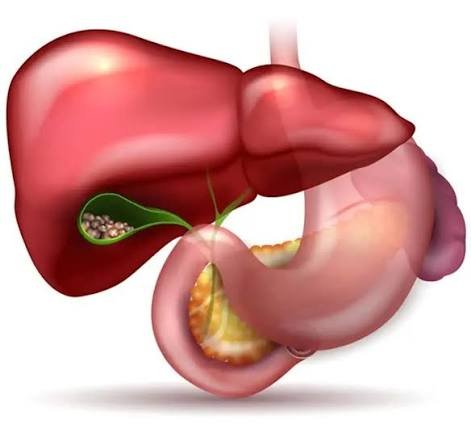
Liver and biliary disorders affect the liver, gallbladder, and bile ducts, which play essential roles in digestion, metabolism, detoxification, and the processing of nutrients. The liver produces bile to help digest fats, while the gallbladder stores and releases bile into the digestive tract. When these organs are affected by inflammation, infection, obstruction, or other medical conditions, patients may experience abdominal discomfort, digestive difficulties, fatigue, and other symptoms that can interfere with daily life.
Liver and biliary disorders include conditions such as fatty liver disease, hepatitis, gallstones, cholecystitis (inflammation of the gallbladder), bile duct obstruction, and cholangitis (inflammation of the bile ducts). Some conditions develop gradually with few noticeable symptoms, while others can cause sudden and severe pain. Early diagnosis and appropriate treatment are essential to protect liver function, prevent complications, and support long-term health.
Liver and biliary disorders can develop due to several factors, including metabolic conditions, infections, dietary habits, genetic predisposition, and problems affecting the flow of bile. Fatty liver disease is commonly associated with obesity, insulin resistance, diabetes, and abnormal cholesterol levels. Viral infections, excessive alcohol consumption, certain medications, and autoimmune conditions can also damage liver tissue and interfere with its normal function.
Gallstones are a frequent cause of biliary disorders and may form when substances in bile, such as cholesterol or bilirubin, become concentrated and crystallise. These stones can obstruct the gallbladder outlet or bile ducts, leading to pain and inflammation. Other causes include narrowing of the bile ducts, infections, structural abnormalities, and, in some cases, tumours affecting the liver, gallbladder, or surrounding structures. Identifying the underlying cause is important for selecting the most appropriate treatment.
The symptoms of liver and biliary disorders vary depending on the condition, its severity, and whether bile flow is obstructed. Common symptoms include pain or discomfort in the upper right or upper middle abdomen, bloating, nausea, vomiting, loss of appetite, and discomfort after eating fatty meals. Some patients experience persistent fatigue, weakness, or unexplained weight changes, while others may have few symptoms during the early stages of liver disease.
More noticeable warning signs include jaundice, which causes yellowing of the skin and eyes, dark-coloured urine, pale stools, and persistent itching. Fever, chills, and significant abdominal tenderness may indicate an infection or acute inflammation. Pain caused by gallstones can sometimes spread to the back or right shoulder. Because these symptoms can overlap with other digestive and abdominal conditions, proper medical assessment is necessary to determine their cause rather than relying on symptoms alone.
Accurate diagnosis of liver and biliary disorders begins with a detailed medical history and physical examination. The doctor may ask about the location and duration of abdominal pain, its relationship to meals, associated digestive symptoms, alcohol consumption, current medications, existing medical conditions, and family history. This information helps identify possible causes and determine which investigations are needed.
Diagnostic tests may include liver function tests, bilirubin measurements, a complete blood count, and other blood investigations to assess inflammation, infection, and liver health. An abdominal ultrasound is commonly used to detect gallstones, assess the gallbladder, and identify certain liver abnormalities. Depending on the findings, additional investigations such as CT scans, MRI, magnetic resonance cholangiopancreatography (MRCP), or specialised endoscopic procedures may be recommended. A timely and accurate diagnosis helps guide treatment and reduces the risk of avoidable complications.
Treatment for liver and biliary disorders depends on the underlying condition, the severity of symptoms, and the patient’s overall health. Mild conditions may be managed through dietary changes, weight management, regular physical activity, and appropriate medical monitoring. Patients with fatty liver disease may benefit from gradual weight loss, improved blood sugar control, and management of cholesterol and other metabolic risk factors. Viral, autoimmune, and other liver conditions may require specific medications and specialist supervision.
For gallstones and related biliary conditions, treatment may involve pain relief, medications when appropriate, antibiotics for selected infections, or procedures to restore the normal flow of bile. Symptomatic gallstones often require surgical removal of the gallbladder, known as cholecystectomy. When a stone blocks the common bile duct, an endoscopic procedure such as endoscopic retrograde cholangiopancreatography (ERCP) may be needed to remove the obstruction. Severe infections or complications may require urgent hospital treatment. The most suitable approach is determined after clinical evaluation and a discussion of the potential benefits and risks.
Post-treatment care is an important part of recovery from liver and biliary disorders. Patients should follow their prescribed medication schedule, attend recommended follow-up appointments, and complete any advised blood tests or imaging studies. After gallbladder surgery or an endoscopic procedure, recovery instructions may include gradually returning to normal activities, caring for the surgical wound when applicable, and following temporary dietary recommendations. Individual recovery times vary according to the procedure performed and the patient’s health.
Long-term care may involve maintaining a balanced diet, limiting highly processed and excessively fatty foods when they trigger symptoms, avoiding excessive alcohol consumption, and managing conditions such as diabetes and high cholesterol. Patients with chronic liver disease should discuss alcohol use, medications, and supplements with their treating doctor, as some substances can worsen liver injury. Any new or recurring abdominal pain, fever, jaundice, or digestive symptoms should be reported promptly to ensure that recovery is progressing as expected.
Without timely diagnosis and appropriate treatment, some liver and biliary disorders can lead to serious complications. Gallstones may cause repeated episodes of biliary pain, inflammation of the gallbladder, blockage of the bile ducts, or acute pancreatitis when a stone obstructs the pancreatic duct region. A blocked bile duct may also lead to jaundice and infection. Cholangitis can become a medical emergency, particularly when accompanied by fever, abdominal pain, and jaundice.
Chronic liver conditions may progress to liver fibrosis, cirrhosis, impaired liver function, or an increased risk of liver cancer, depending on the underlying disease. Severe liver dysfunction can affect blood clotting, fluid balance, and brain function. However, not every patient develops these complications, and the risks vary considerably between conditions. Early evaluation, appropriate treatment, and consistent follow-up can help reduce preventable risks and support better long-term outcomes.
Patients should consult a doctor if they experience recurring pain in the upper abdomen, persistent nausea, unexplained fatigue, loss of appetite, digestive discomfort after meals, or other symptoms that may indicate a liver or biliary disorder. Yellowing of the eyes or skin, dark urine, pale stools, and persistent itching also require prompt medical evaluation, even when abdominal pain is absent. Early assessment can help identify the cause and determine whether medication, further investigations, or a specialist referral is necessary.
Seek immediate medical attention if abdominal pain is severe or persistent, particularly when accompanied by fever, chills, repeated vomiting, jaundice, confusion, or marked weakness. These symptoms may indicate an obstruction, serious infection, or another urgent condition. Dr. Pandu Chouhan can help patients understand the importance of timely evaluation and appropriate management of abdominal pain associated with liver and biliary disorders. A personalised treatment plan, based on the diagnosis and individual health needs, can support safe recovery and help prevent further complications.
Providing expert, compassionate care for children’s digestive health, nutrition, growth and gastrointestinal conditions.
9:00 AM – 6:00 PM (By Appointment Only)
© Copyright Dr. Pandu Chauhan 2026. All Rights Reserved. | Developed by Prigmasoft Technologies.
No WhatsApp Number Found!
WhatsApp us